Seagrass Ocean Rescue
Mighty Meadows
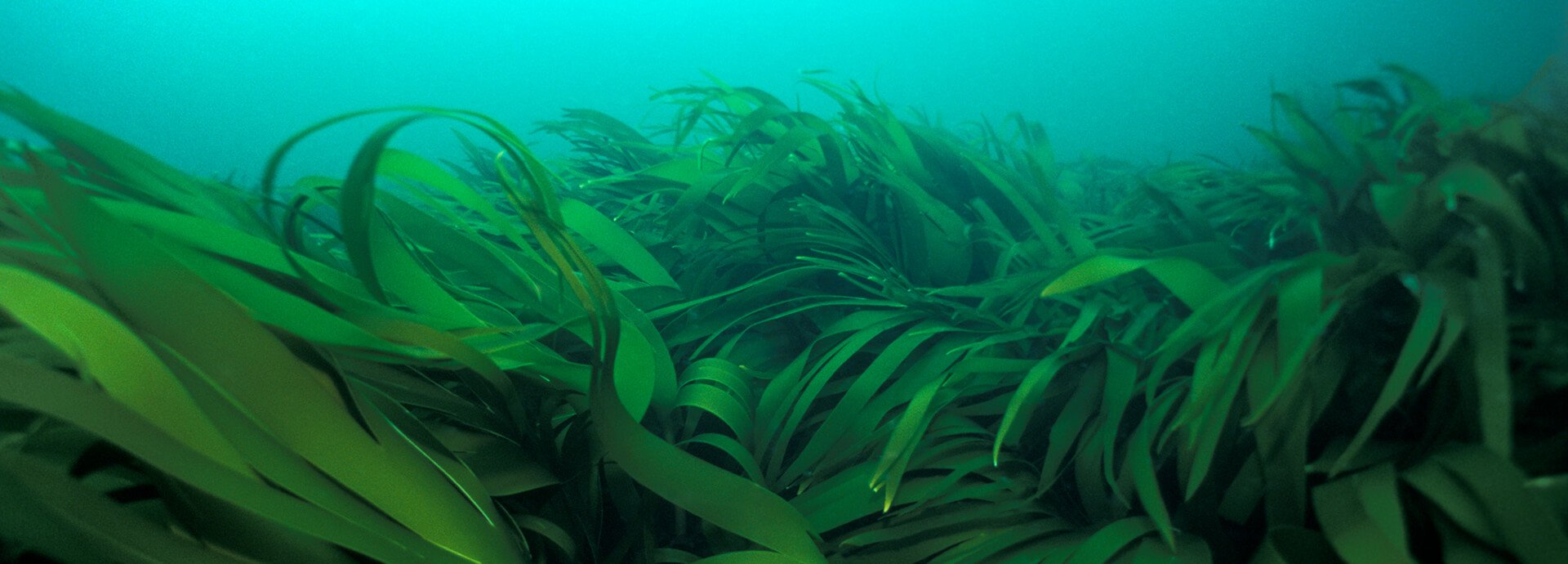
The UK has lost up to 90% of its seagrass meadows in the past century, which has had negative consequences for the health and resilience of our coastal systems. In 2019, Swansea University, the charity Project Seagrass and WWF-UK formed a collaboration to begin to restore some of what we have lost through re seeding. Concurrently, over the last six years Swansea University has been leading trials across Wales to develop appropriate methods for seagrass restoration.
Here in North Wales, Pen Llŷn a’r Sarnau and the North Wales Wildlife Trust have now teamed up with the partnership to start exploring how we can bring this exciting project to North Wales. Funding secured from the National Lottery Heritage Fund will help us to develop a socially agreeable and ecologically sound programme of restoration and we want you to get involved. This work will also build on all the work we have undertaken in Porthdinllaen over the last few years.
By taking part of our short survey you will help us restore seagrass in North Wales.
Underwater Meadows
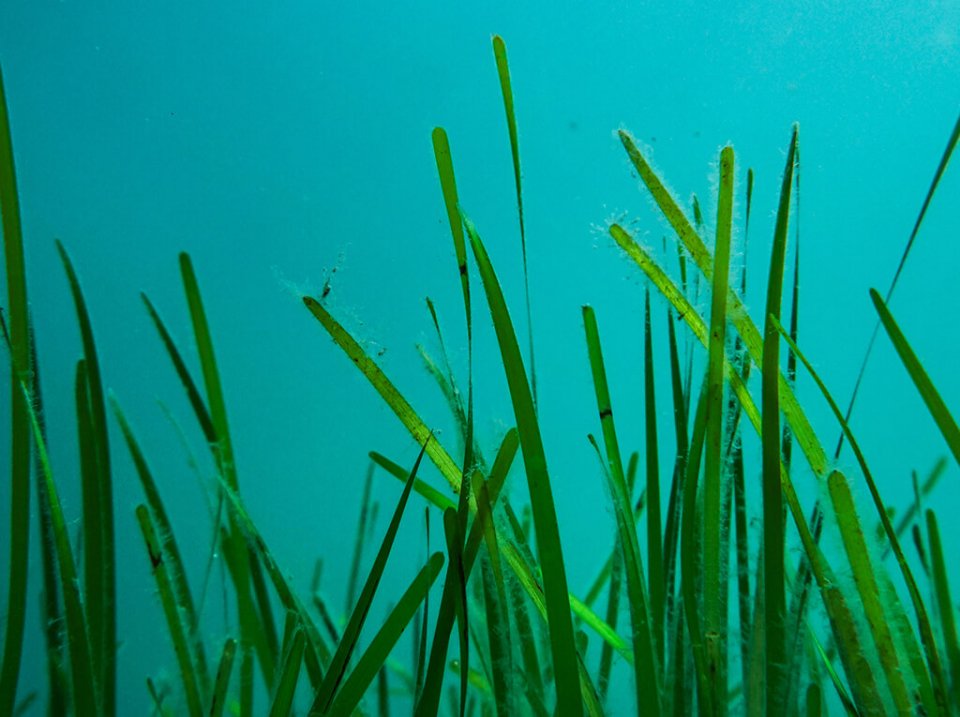
Globally, there are around 60 species of seagrass, though only four are native to the UK and only two of those are considered ‘true’ seagrasses. These incredible species are the only flowering plants in the UK that can live and pollinate in seawater. They have long, green, ribbon-shaped leaves and can grow in small discrete patches or vast beds spanning hectares. Like other plants, they flower, develop fruit, produce seeds and are anchored by a network of interwoven roots that extract nutrients from the sediment.
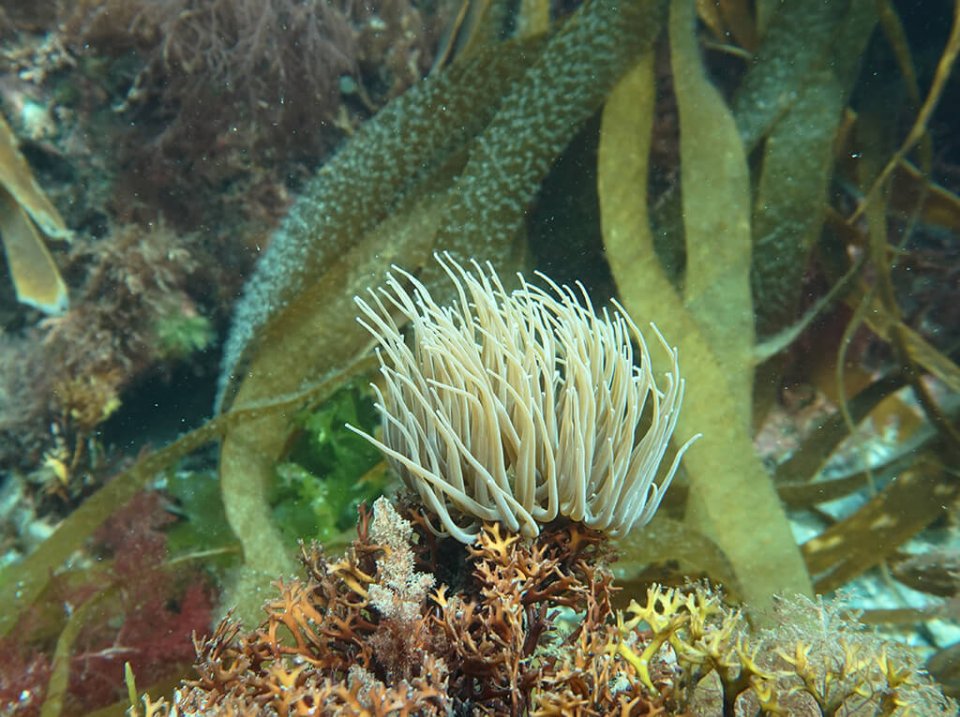
For seagrasses to thrive, they need lots of light and shelter from waves and currents. When conditions are right, the beds they form create a fantastic habitat for a host of wildlife. They stabilise and oxygenate the sediment, slowing down water flow and making the area more hospitable for other species. The leaves themselves provide a surface for marine life to live on, such as anemones, hydroids, sea-squirts, sea mats and brown, red and coralline algae. Some of the rarer ‘hangers-on’ include the weird and wonderful stalked jellyfish with their alien-like appearance.
Over 40 times more species can be found within a seagrass meadow than on the bare sand next to it.
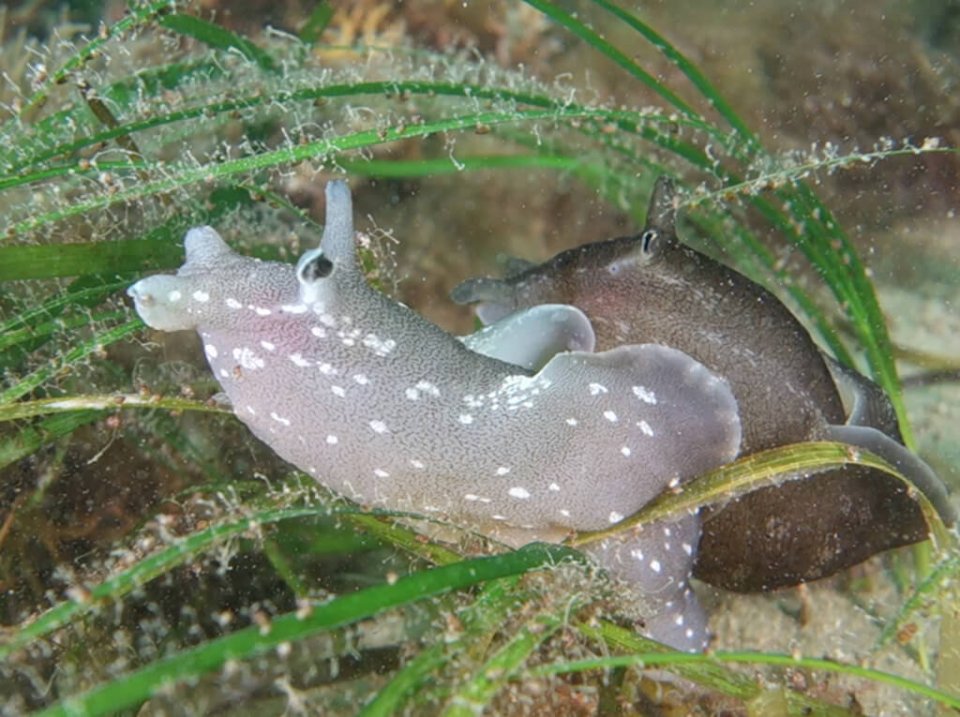
Seagrass also provides the perfect nursery for many fish, like pollack, cod, and dab, thanks to the high level of shelter provided by the seagrass itself and an abundance of food available for young fish to eat. Other species, like lobsters, have also been shown to shelter in the sediment during their early life stages and you don’t have to look for long to see signs of burrowing creatures, such as lugworm or sea potato. Hermit crabs, anemones, pipefish, shore crabs, cuttlefish and all sorts of sea-snails also call this diverse habitat home.
It’s easy to see why these rich habitats are sometimes referred to as underwater meadows. Just like their more familiar, terrestrial namesakes, healthy seagrass meadows are a wonderful place to enjoy the diversity of wildlife we have in the UK.
Underwater Meadows
Globally, there are around 60 species of seagrass, though only four are native to the UK and only two of those are considered ‘true’ seagrasses. These incredible species are the only flowering plants in the UK that can live and pollinate in seawater. They have long, green, ribbon-shaped leaves and can grow in small discrete patches or vast beds spanning hectares. Like other plants, they flower, develop fruit, produce seeds and are anchored by a network of interwoven roots that extract nutrients from the sediment.
For seagrasses to thrive, they need lots of light and shelter from waves and currents. When conditions are right, the beds they form create a fantastic habitat for a host of wildlife. They stabilise and oxygenate the sediment, slowing down water flow and making the area more hospitable for other species. The leaves themselves provide a surface for marine life to live on, such as anemones, hydroids, sea-squirts, sea mats and brown, red and coralline algae. Some of the rarer ‘hangers-on’ include the weird and wonderful stalked jellyfish with their alien-like appearance.
Over 40 times more species can be found within a seagrass meadow than on the bare sand next to it.
Seagrass also provides the perfect nursery for many fish, like pollack, cod, and dab, thanks to the high level of shelter provided by the seagrass itself and an abundance of food available for young fish to eat. Other species, like lobsters, have also been shown to shelter in the sediment during their early life stages and you don’t have to look for long to see signs of burrowing creatures, such as lugworm or sea potato. Hermit crabs, anemones, pipefish, shore crabs, cuttlefish and all sorts of sea-snails also call this diverse habitat home.
It’s easy to see why these rich habitats are sometimes referred to as underwater meadows. Just like their more familiar, terrestrial namesakes, healthy seagrass meadows are a wonderful place to enjoy the diversity of wildlife we have in the UK.