
Conservation features
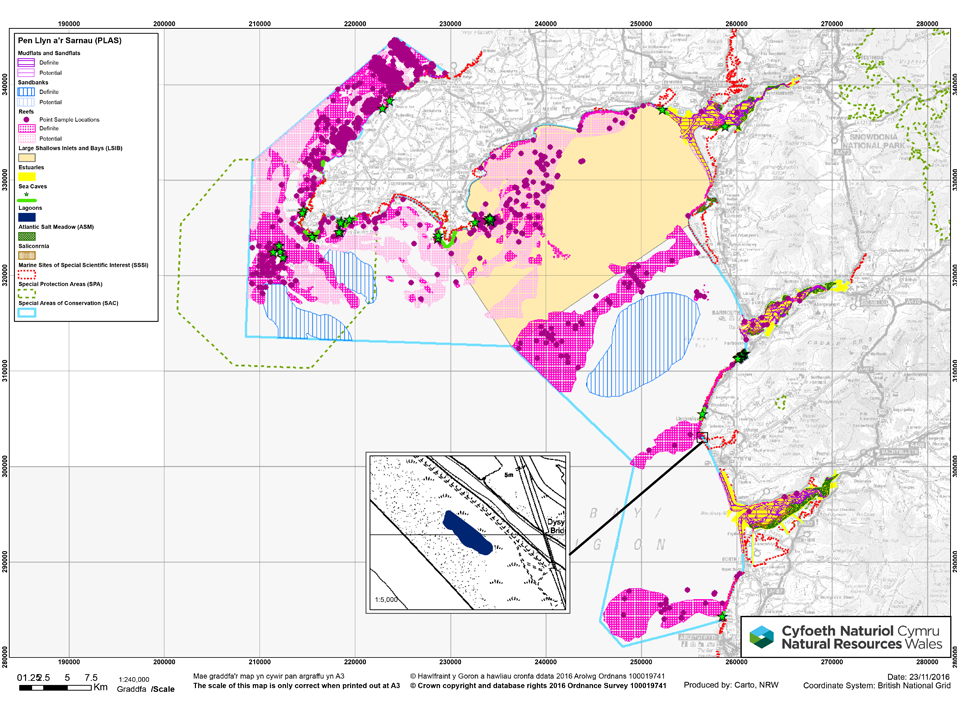
The term conservation feature refers to a specific habitat or species, as listed under the Habitats Directive, for which the SAC has been selected. The Pen Llŷn a’r Sarnau SAC has twelve conservation features. Nine of these conservation features are habitats and three are species.
In relation to these qualifying habitats and species, the Pen Llŷn a’r Sarnau SAC is considered to be one of the best areas in the UK for:
- Reefs
- Large shallow inlets and bays
- Sandbanks which are slightly covered by seawater all the time
- Estuaries
- Coastal lagoons
And to support a significant presence of:
- Atlantic salt meadows (Glauco-Puccinellietalia maritimae)
- Salicornia and other annuals colonising mud and sand
- Mudflats and sandflats not covered by seawater at low tide
- Submerged or partially submerged sea caves
- Halichoerus grypus – grey seal
- Lutra lutra – otter
- Tursiops truncatus – bottlenose dolphin
Information about the species and habitats above can be found using the links below. For more detailed information and access to the references used please check SAC Publications.
Habitats
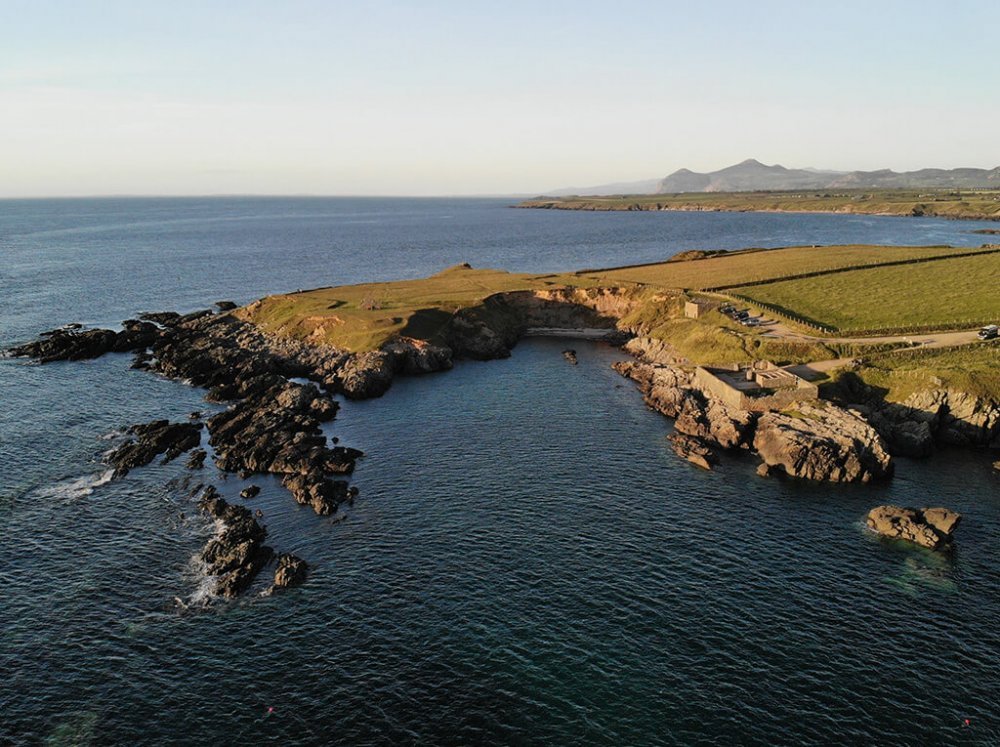
Lagoons are expanses of shallow coastal water of varying salinity and water volume, wholly or partially separated from the sea by sand banks, shingle or, less frequently, by rocks.
Estuaries are made up of a number of different habitat types. They are defined as the part of a river valley extending downstream from the limit of brackish water and subject to the tide.
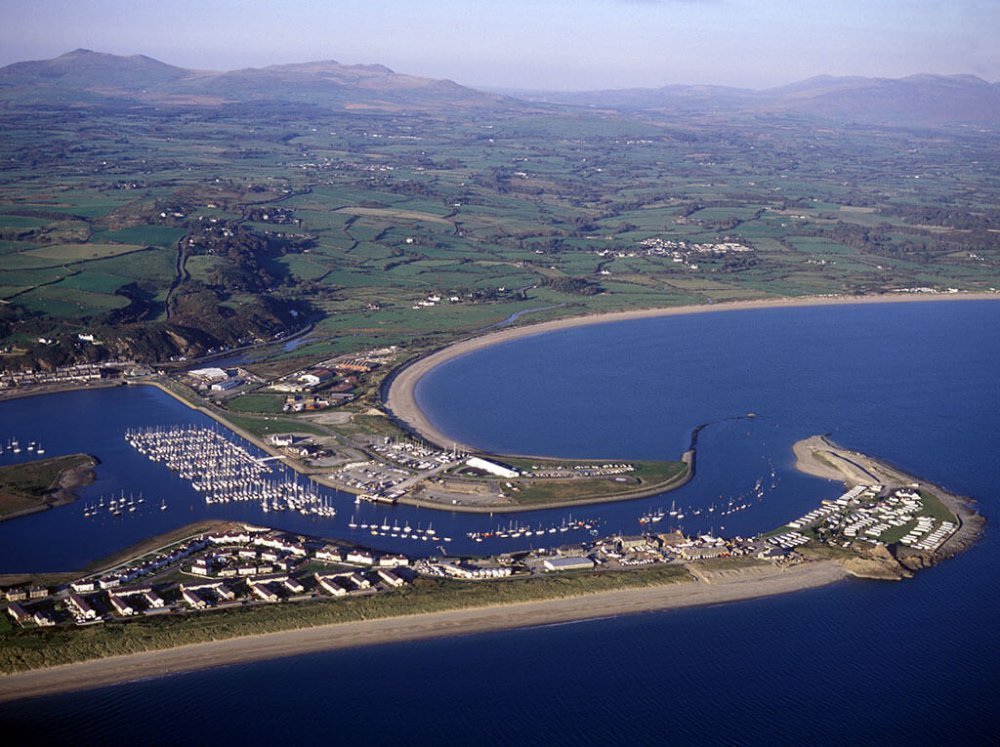
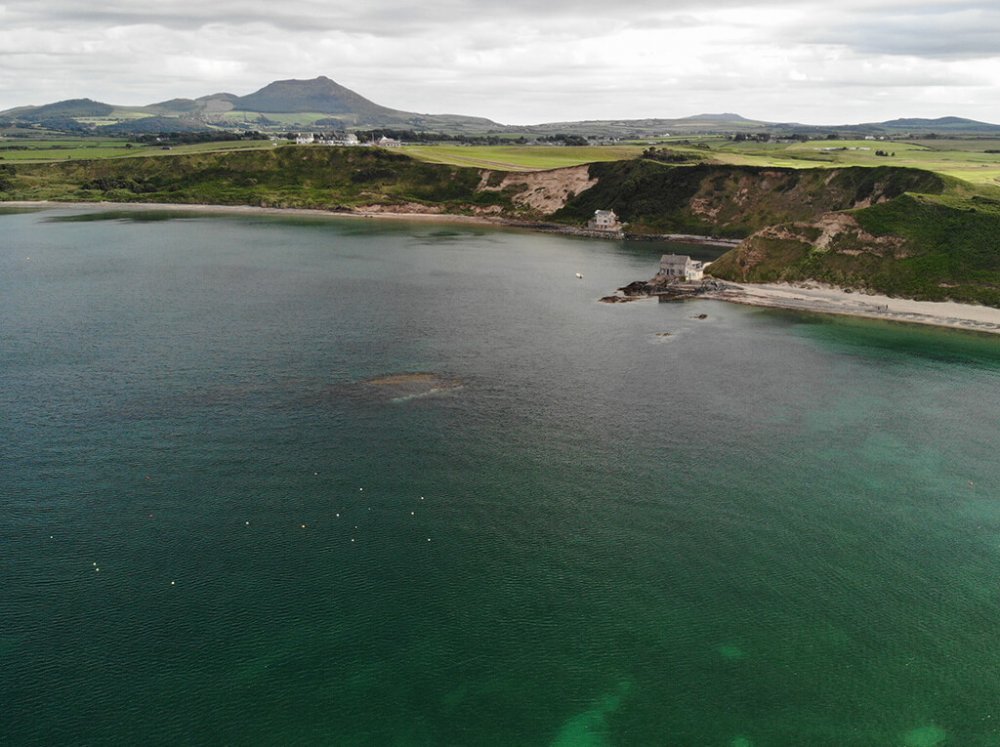
Large shallow inlets and bays are usually defined as large indentations of the coast where the influence of freshwater is generally limited. They are generally more sheltered from wave action than the open coast and are relatively shallow, usually averaging less than 30m in depth.
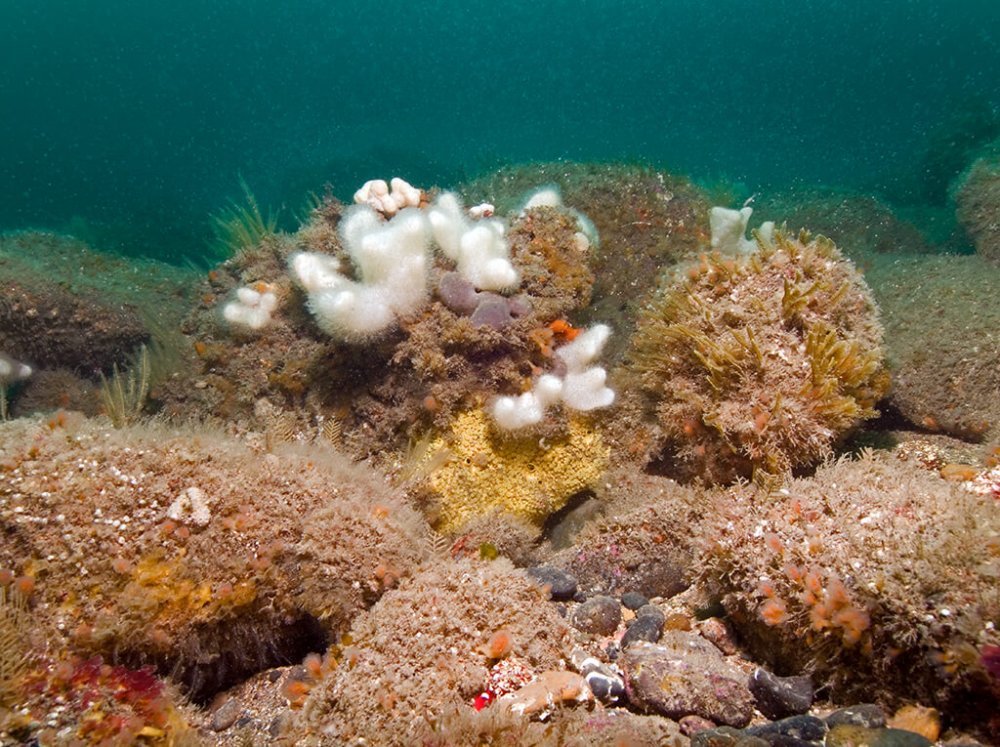
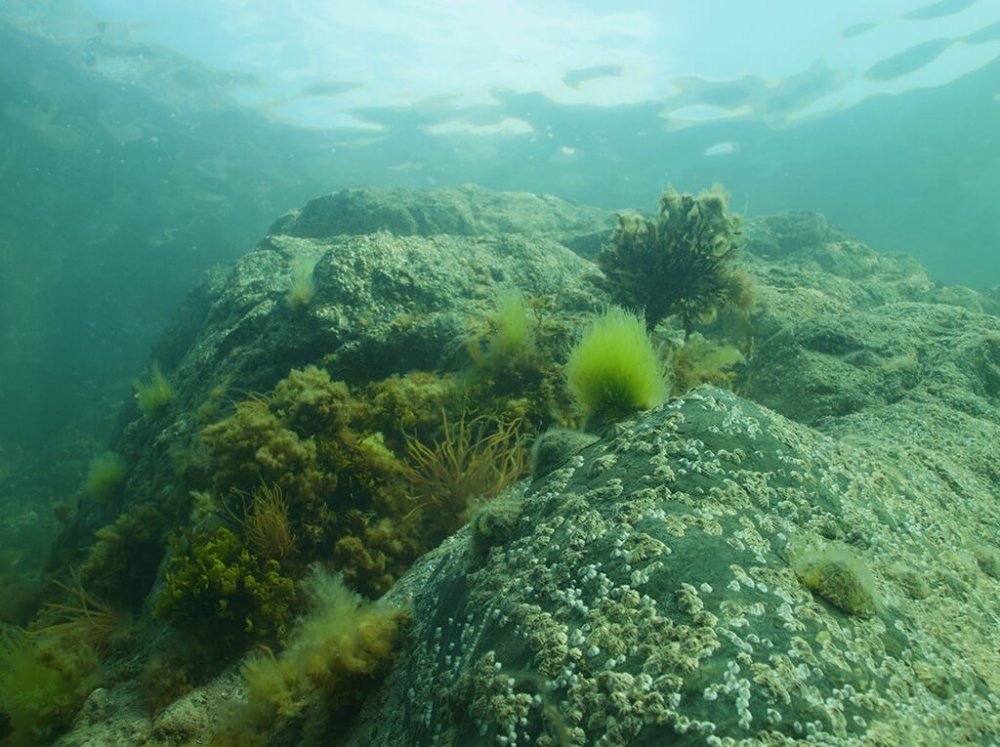
The reefs of Pen Llŷn a’r Sarnau are extremely varied and support a very wide variety of communities of marine animals and plants reflecting the broad range of physiographic factors around the site.
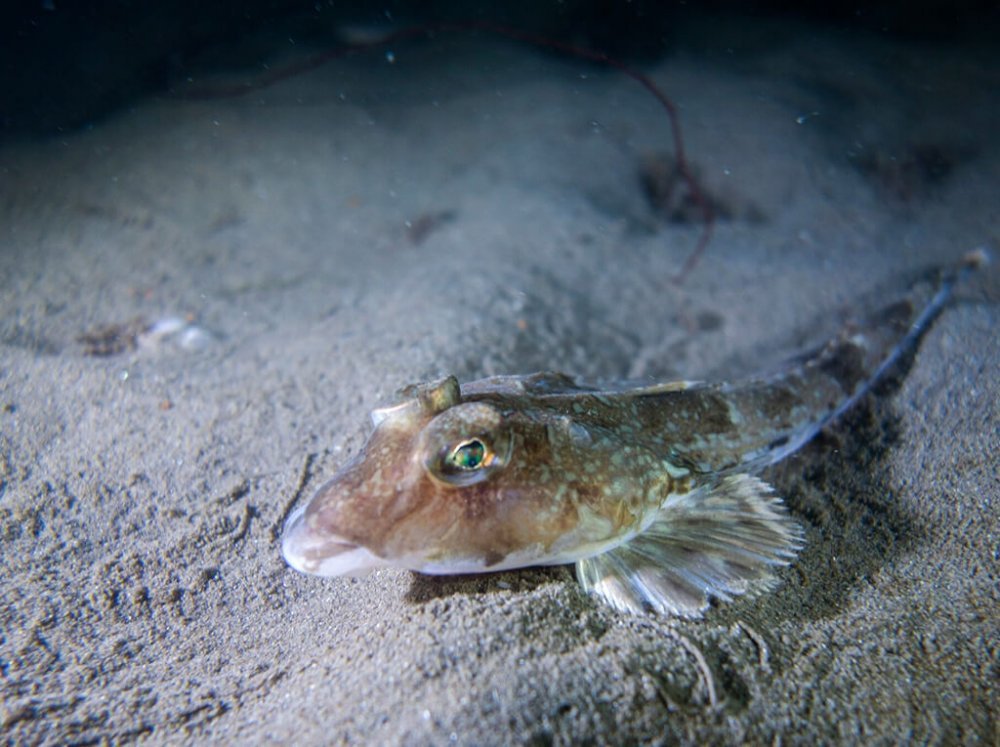
Intertidal mudflats and sandflats are areas of sediment that are submerged at high tide and exposed at low tide.
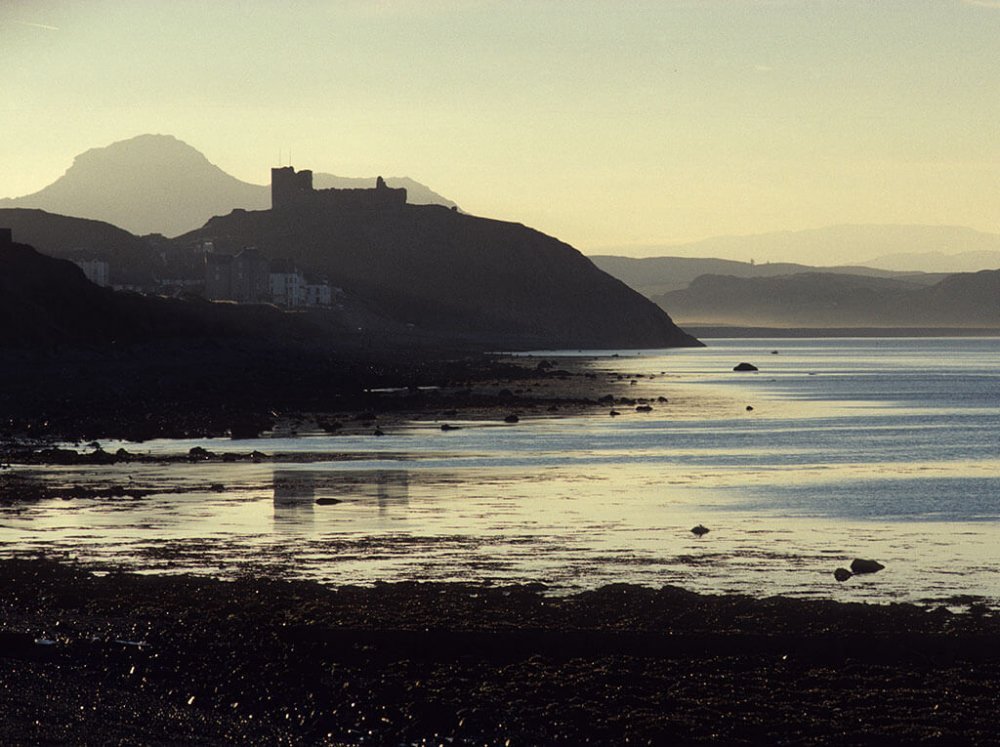
Subtidal sandbanks are characterised by sandy sediments that are permanently covered by shallow seawater.
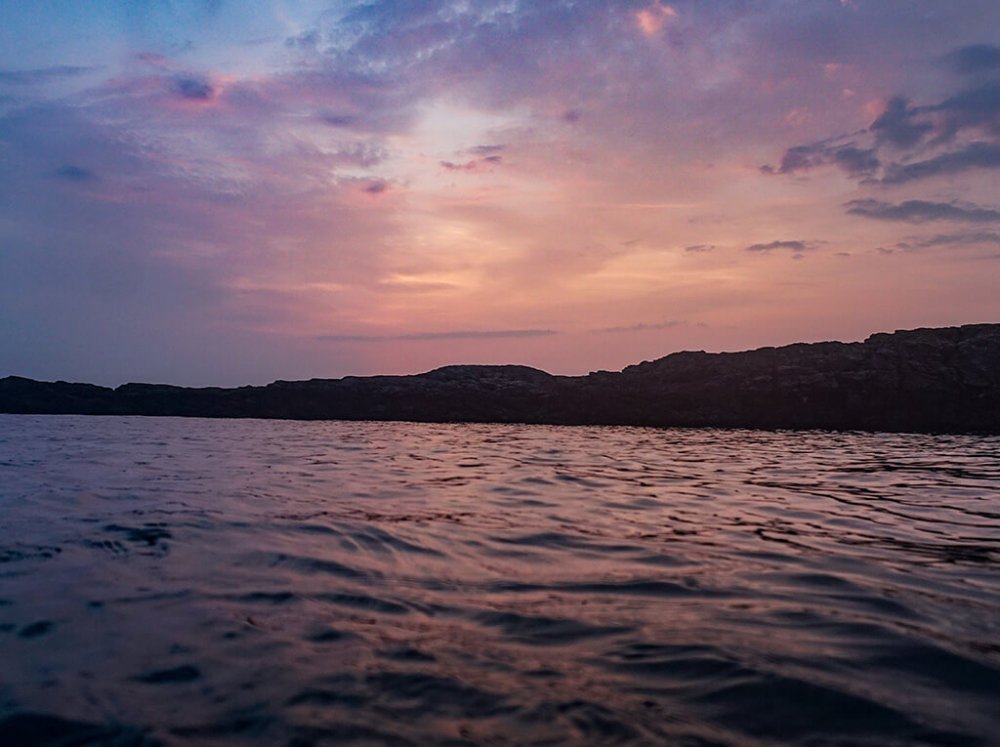
Salicornia and other annuals colonising mud and sand is a community of pioneer saltmarsh plants that colonises intertidal mud and sandflats.
Atlantic salt meadows are a habitat type that encompass a variety of different saltmarsh communities.
Atlantic salt meadows are a habitat type that encompass a variety of different saltmarsh
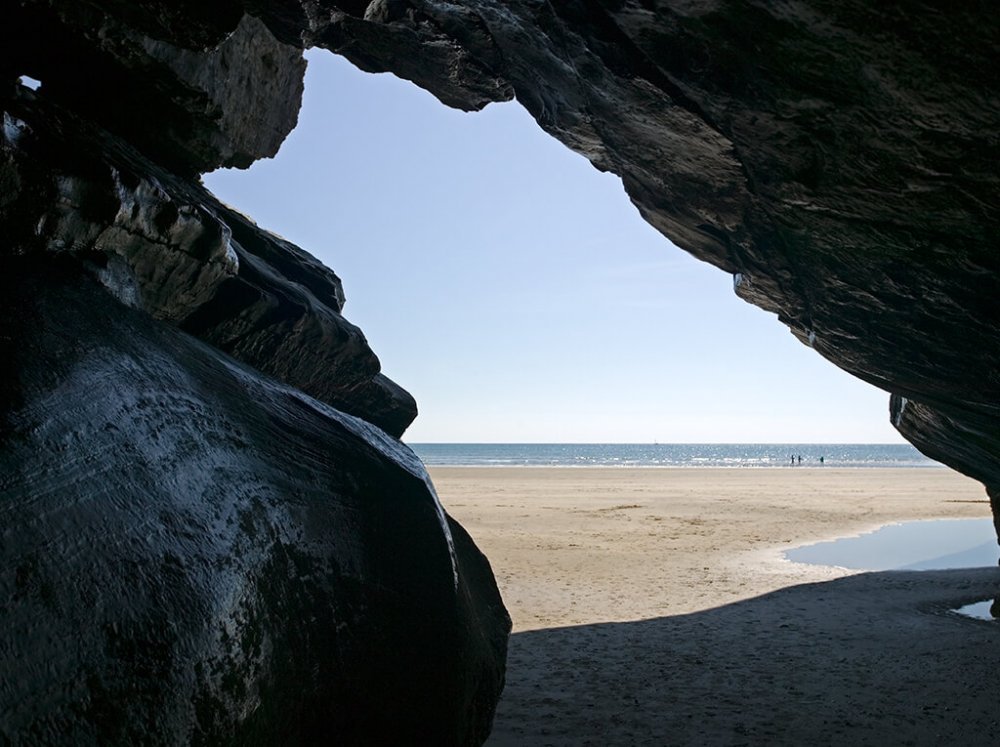
Sea caves are formed where the specific geology of an area allows for the weathering and erosion of material to create overhangs, clefts, caves and tunnels.
Species
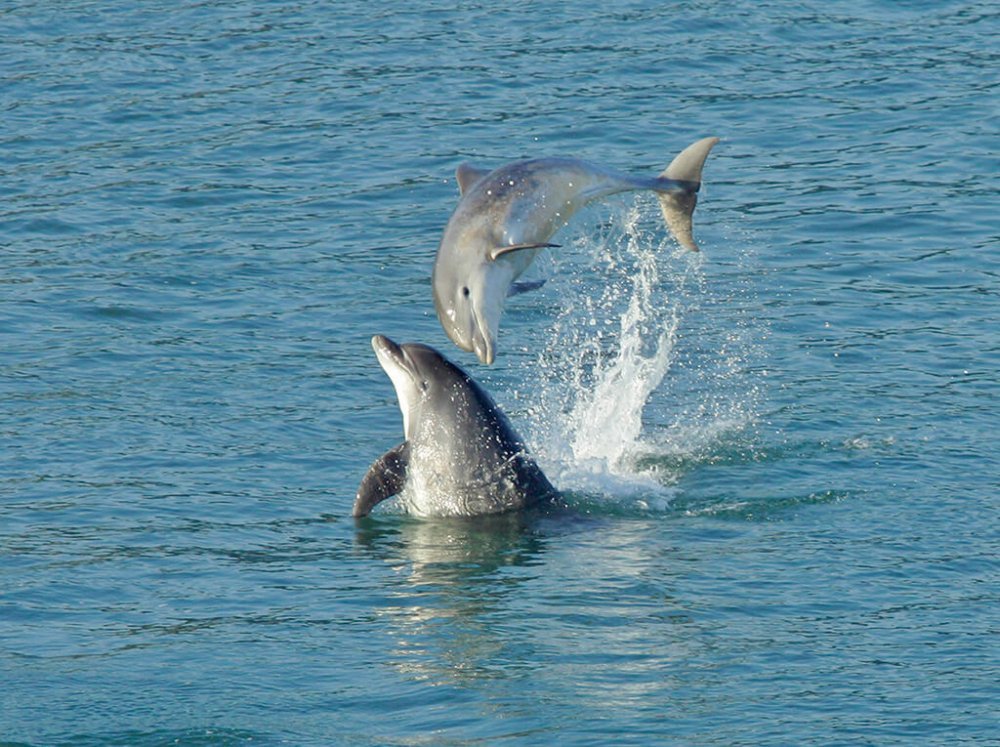
The bottlenose dolphin is a marine mammal with a worldwide distribution throughout the world’s tropical and temperate seas.
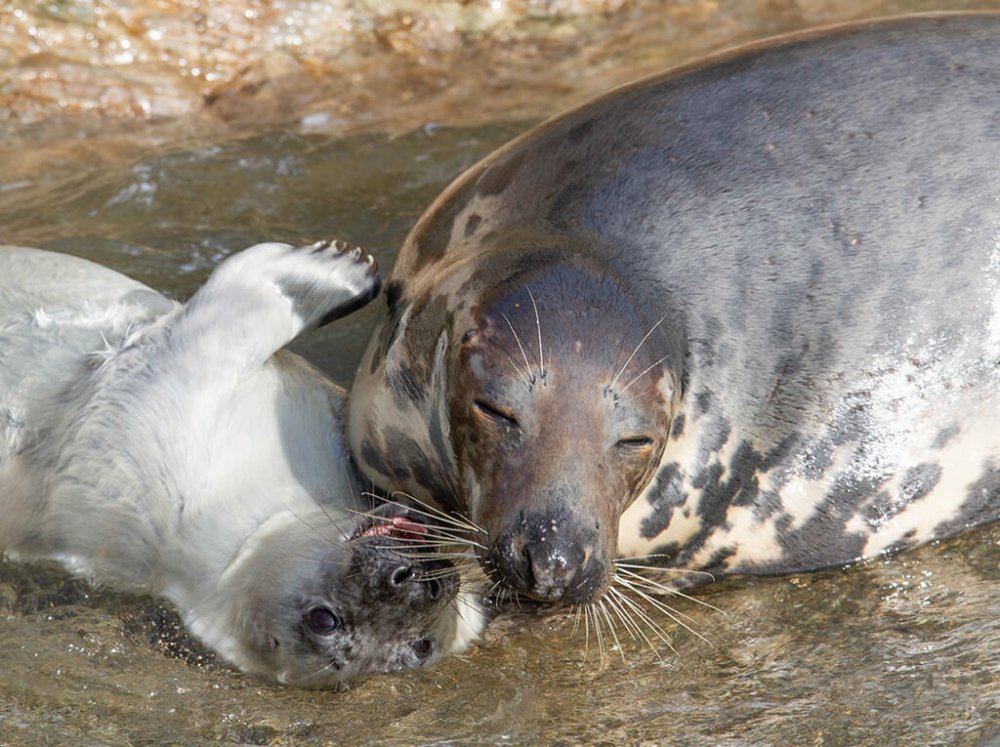
Grey seals Halichoerus grypus are among the rarest seals in the world – the UK population represents about 40% of the world population and 95% of the EU population.
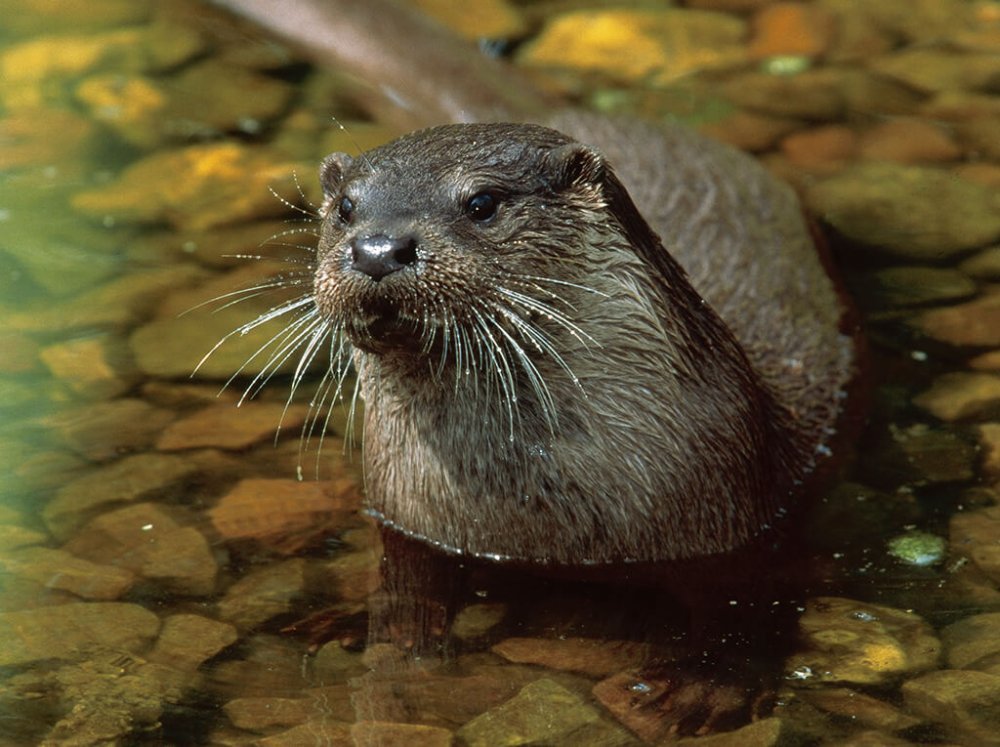
The number of otters within the SAC is not known, but there is evidence that shows that otters use areas of the coast throughout the whole site.
